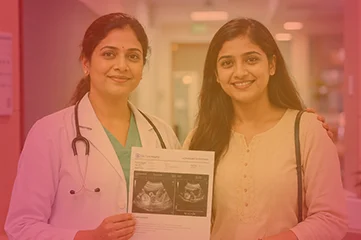

Full Body Checkup Packages in Chennai — What's Included and What to Expect
Most people in Chennai know they should do a health check every year.
Importance of Health Checkup: Why Regular Screenings Help You Stay Healthy
What Is a Regular Health Check-up and Why Does It Matter?
A regular health check-up is a planned health assessment done to check your overall health, even if you feel well. Its main goal is to find possible health problems early, before they become serious. This is different from tests that a doctor orders when you already have symptoms like fever, pain, or tiredness. Preventive health check-ups focus on keeping you healthy, while diagnostic tests help find the cause of a health problem.
Regular check-ups also help create a health baseline. This means your doctor gets a clear picture of your normal health values, making it easier to notice changes during future visits. Tracking these changes over time can help spot health risks early and allow timely treatment if needed.
The tests included in a health check-up are not the same for everyone. They depend on factors such as your age, sex, family history, lifestyle, and any medical conditions you already have. Your doctor will recommend the most suitable tests based on your personal health needs.
Knowing what happens during a preventive health check-up can help you understand why these tests play an important role in protecting your long-term health.
How Regular Health Check-ups Help Find Health Problems Early
Many health problems develop slowly and may not show any clear signs in the beginning. This is why regular health check-ups are so important. They can help find changes in your body before you start feeling sick. When a problem is found early, treatment can begin sooner, which often leads to better health and fewer complications.
For example, high blood pressure is often called a "silent" condition because it usually does not cause symptoms at first. The same is true for type 2 diabetes and high cholesterol. A simple health check-up can help detect these conditions early, giving you the chance to make healthy lifestyle changes and start treatment if needed.
Routine screenings can also help identify early signs of heart disease, kidney disease, liver problems, and thyroid disorders. For some people, age and family history may also make certain cancer screenings important. These screenings are recommended only when they are suitable for your age, health, and risk factors.
Finding a health risk early does not always mean you have a serious illness. In many cases, it gives you and your doctor the chance to take action before the condition gets worse. Healthy food choices, regular exercise, medicines, or follow-up check-ups may be enough to keep the problem under control.
Understanding the common tests included in a preventive health check-up can help you know what to expect during your next visit.
Common Tests Included in a Preventive Health Check-up
A preventive health check-up usually includes a few basic tests that give your doctor a clear picture of your overall health. The exact tests may be different for each person, depending on age, lifestyle, family history, and existing health conditions. Not everyone needs every test, so your doctor will recommend the ones that are right for you.
One of the most common checks is blood pressure measurement, which helps find high blood pressure early. Blood glucose and HbA1c tests may be advised to check for diabetes or to monitor blood sugar levels. A lipid profile measures cholesterol levels and helps assess your risk of heart disease.
A Complete Blood Count (CBC) checks your overall blood health and can help detect problems such as infections or low red blood cell levels. Kidney function tests, liver function tests, and urine analysis help make sure these organs are working properly. Thyroid function tests may be recommended if your doctor feels they are needed based on your symptoms or medical history.
Your check-up may also include measuring your Body Mass Index (BMI) and waist circumference to understand whether your weight is within a healthy range. In some cases, your doctor may suggest an ECG or other heart tests, especially if you have heart-related risk factors.
Many people ask what the five main tests in a full body check-up are. While there is no single list that suits everyone, blood pressure, blood sugar, cholesterol, a Complete Blood Count (CBC), and urine analysis are among the most commonly recommended tests. Your doctor may add or remove tests based on your personal health needs.
Knowing which tests are right for you is the first step towards better preventive care. The next question is who should get regular health check-ups and how often they should be done.
Who Should Get Regular Health Check-ups and How Often?
Regular health check-ups are important for everyone, but how often you need them depends on your age, lifestyle, family history, and overall health. Your doctor can suggest a screening schedule that is right for your needs.
Adults aged 25 and above should start including preventive health check-ups as part of their healthcare routine. Even if you feel healthy, regular screenings can help find health changes early. Working professionals who spend long hours sitting, have high stress, or do not exercise regularly may also benefit from routine check-ups.
People living with diabetes, high blood pressure, or obesity usually need more frequent health assessments to keep their conditions under control. Those with a family history of heart disease, diabetes, or certain cancers may also need regular screening. Smokers and tobacco users should speak with their doctor about tests that match their health risks.
As people grow older, the need for regular health check-ups becomes even more important. Senior citizens may require more frequent monitoring, while women and men may need age-specific screenings based on their health and risk factors.
Many people wonder when they should start regular health check-ups. In general, preventive care should begin in adulthood and become more detailed as you get older or if your health risks increase. The right schedule is always the one recommended by your healthcare professional.
Along with regular health check-ups, healthy daily habits also play a major role in protecting your long-term health.
Make Preventive Healthcare a Part of Your Everyday Life
Regular health check-ups are only one part of staying healthy. They work best when combined with healthy daily habits. A balanced diet, regular physical activity, and enough sleep can help lower the risk of many long-term health problems.
Managing stress is also important for both your physical and mental health. Simple activities like walking, spending time with family, practising relaxation methods, or enjoying a hobby can help reduce stress. Avoiding tobacco and limiting alcohol can further protect your heart, lungs, liver, and overall health. Maintaining a healthy weight also supports better health and lowers the risk of conditions such as diabetes and high blood pressure.
It is equally important to stay up to date with the vaccinations recommended for your age and health condition. If you already have a medical condition, follow your doctor's advice, take medicines as prescribed, and attend regular follow-up visits.
Remember, health check-ups do not replace healthy habits. They help you understand how your body is doing and whether any changes are needed. Looking after your health should not be something you do only once a year. Small, healthy choices made every day, along with regular check-ups, can help you stay healthier for years to come.
Taking these simple steps today can help lower your risk of serious health problems in the future.
Take a Proactive Approach to Your Health
Routine health screenings can give you valuable information about your overall health, even when you feel perfectly fine. These tests help doctors understand how your body is functioning, identify early changes, and monitor existing health conditions over time. This makes it easier to make informed decisions about your health and take the right steps before problems become more serious.
At Indian Scan, comprehensive preventive health packages and advanced diagnostic services are designed to support early detection and preventive healthcare. Whether you are planning your first health check-up or need regular monitoring, accurate diagnostic testing can help you and your doctor make better healthcare decisions.
If you live in Tambaram or nearby areas, consider scheduling a preventive health screening based on your age, lifestyle, family history, and your doctor's advice. Taking this step today can help you stay informed about your health and prepare for a healthier future.
Invest in Your Health Before Symptoms Appear
Good health is not just about treating illness. It is also about taking steps to prevent health problems before they begin. Regular health check-ups help you keep track of your health, find changes early, and take action before a condition becomes serious. Early detection often leads to better treatment, better recovery, and a better quality of life.
By making preventive health check-ups a part of your routine, you can stay informed about your health and make timely decisions with your doctor's guidance. The right screening plan will depend on your age, lifestyle, family history, and overall health.
Remember, one of the best investments you can make is in your own health. Taking small steps today can help you enjoy a healthier and more active life for years to come.